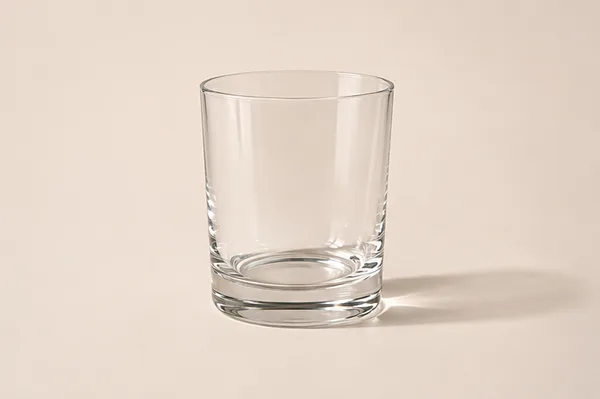
Tumblers
Choose a straight or tapered side, a smooth or ribbed grip and the serving capacity. Ask for stackable shapes if shelf space matters.
Glass / Forming & finishing
Glassware
Choose the form around its use. The lip of a drinking glass, the weight of a serving bowl and the balance of a full pitcher each call for a different shape.
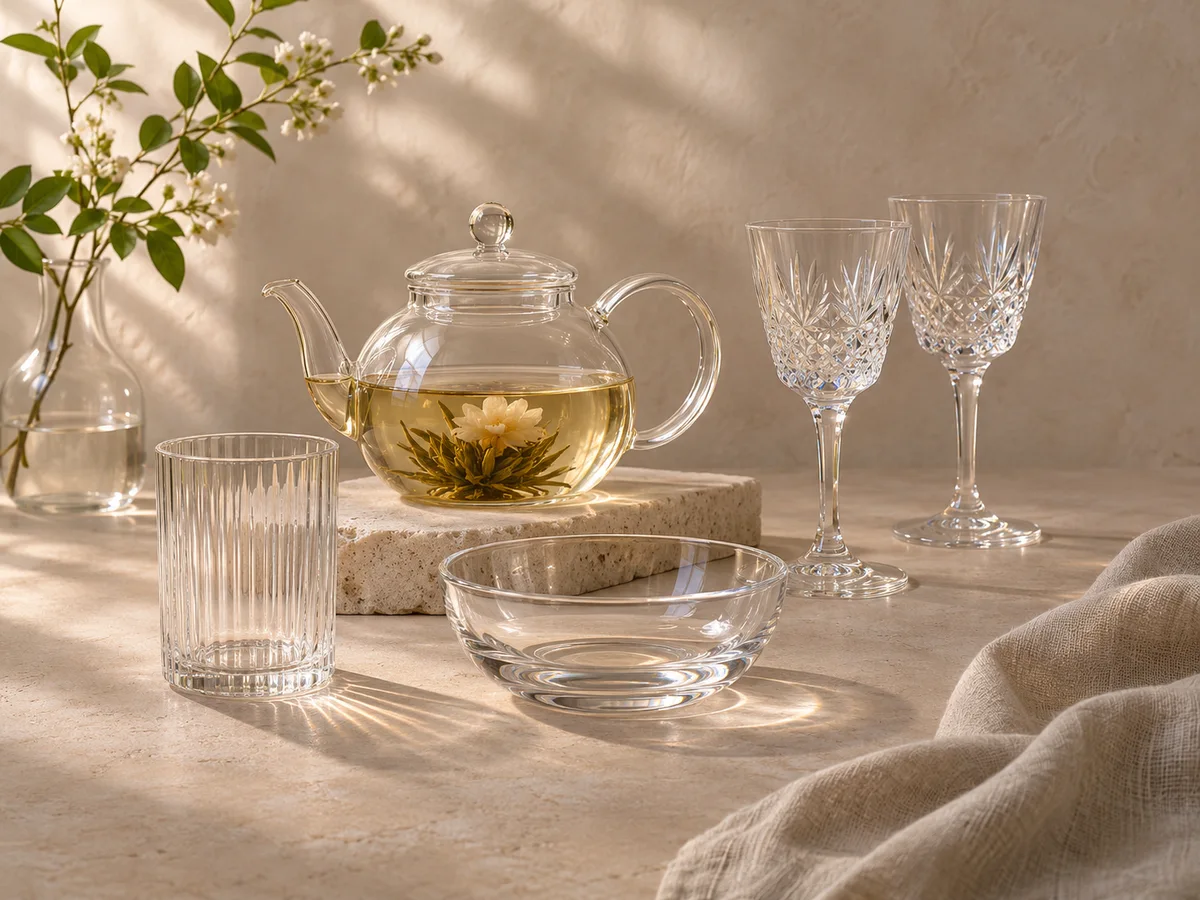
Choose a straight or tapered side, a smooth or ribbed grip and the serving capacity. Ask for stackable shapes if shelf space matters.
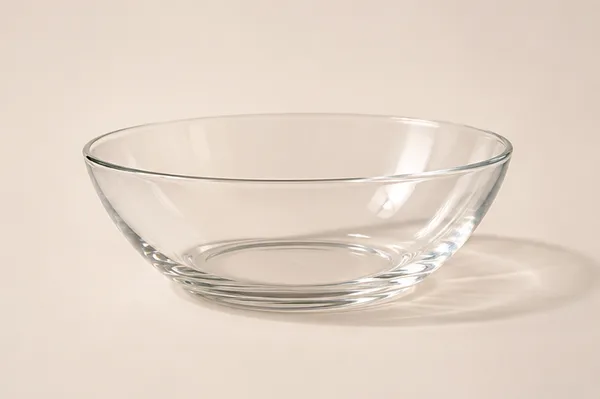
Compare shallow serving bowls with deeper individual bowls. Set the opening, foot diameter and nesting clearance as a group.
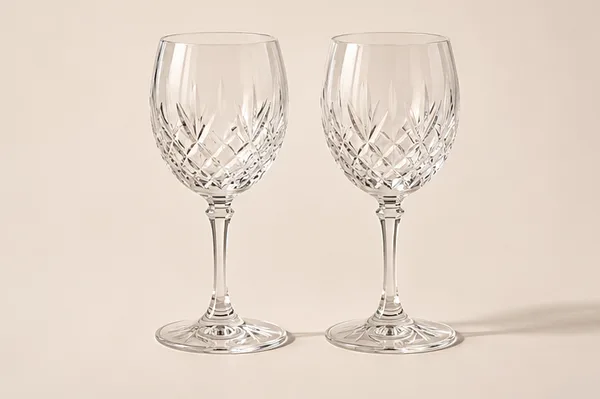
Pair the bowl profile with a stem height and foot size. A sample lets you judge rim thickness and balance in the hand.
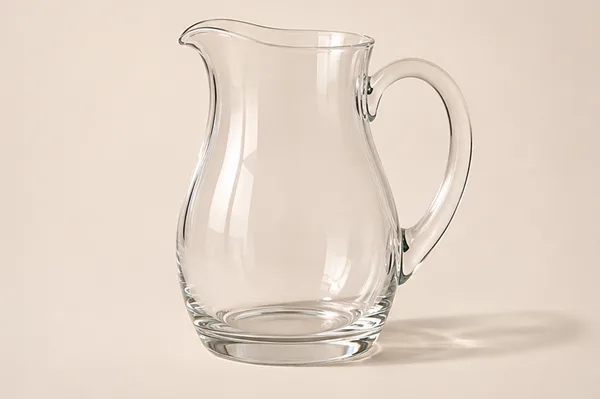
Compare the grip and pouring lip with the jug filled to its working capacity. Lids and their fit can be specified with the sample.
A common choice for pressed bowls and everyday tumblers. Compare wall thickness, weight and clarity on the finished piece.
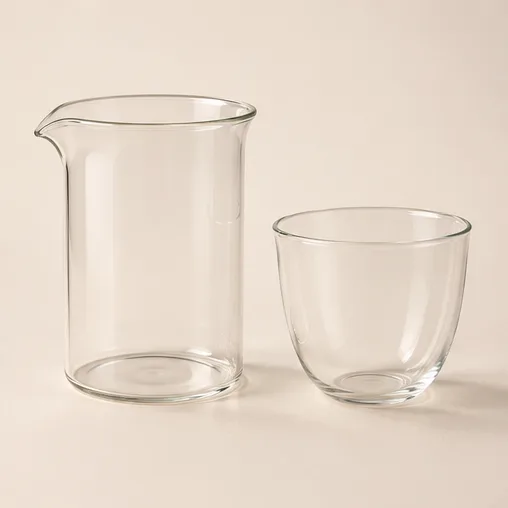
Consider this low-expansion glass for hot-drink designs. Ask for the temperature range and thermal-shock data for the finished article.
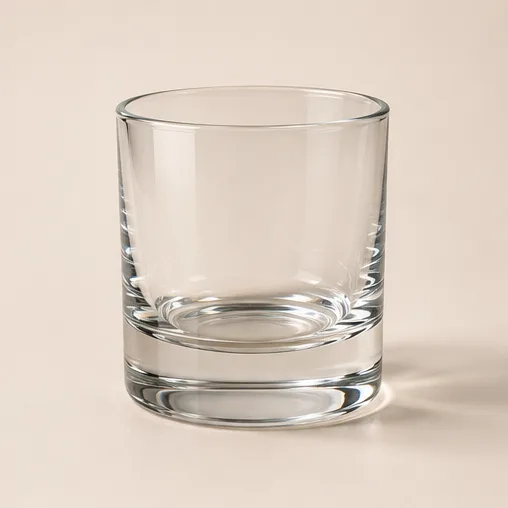
Tempering is a heat treatment applied to a suitable glass body. Specify where impact resistance matters and check the test result for that shape.
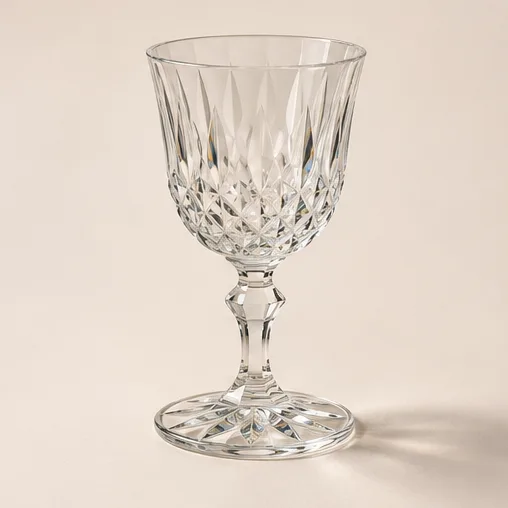
Consider clear, polished stemware or cut patterns that catch the light. Confirm the composition and any food-contact evidence for the chosen finish.
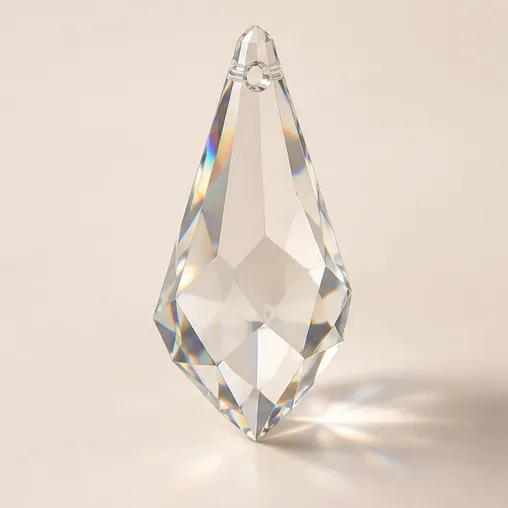
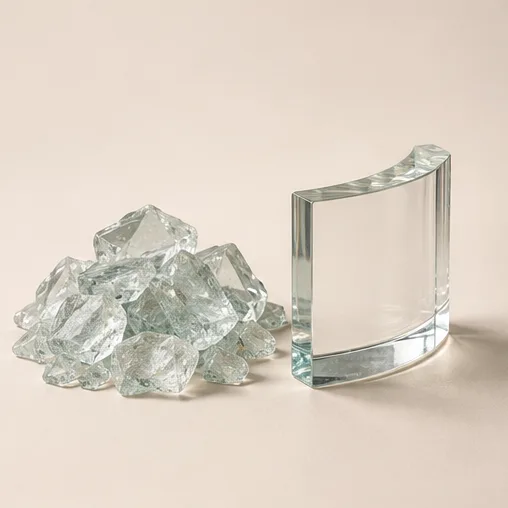
Faceted prisms and display ornaments are options for this material. We offer lead crystal exclusively for non-food-contact pieces.
Pressing can define repeatable ribs and relief. Blowing can form a hollow body with a narrower neck. Choose the forming method with the factory after reviewing the drawing.
Controlled cooling relieves forming stress. Review the rim, seam, base and any cut or polished detail on the sample.
Check a sample in the intended colour and finish. Mark the decoration area on the specification so the tested surface matches the ordered piece.
Tell sales the SKU, decoration, intended use and country of sale. We can check existing reports against applicable US FDA food-contact requirements or German LFGB requirements. Intertek and SGS are our usual testing laboratories. If a buyer needs a different method, finish or market covered, we can arrange an agreed test on the selected article.
DHL usually carries our samples. Allow about 20–35 days for production as an initial estimate. Sales will confirm timing for the quantity, tooling and finish you approve, and quote shipping separately.
Send sales the capacities, forms and destination you have in mind. Ask your sales contact to arrange a registration code, then sign in to see the glassware catalogue assigned to your company.